
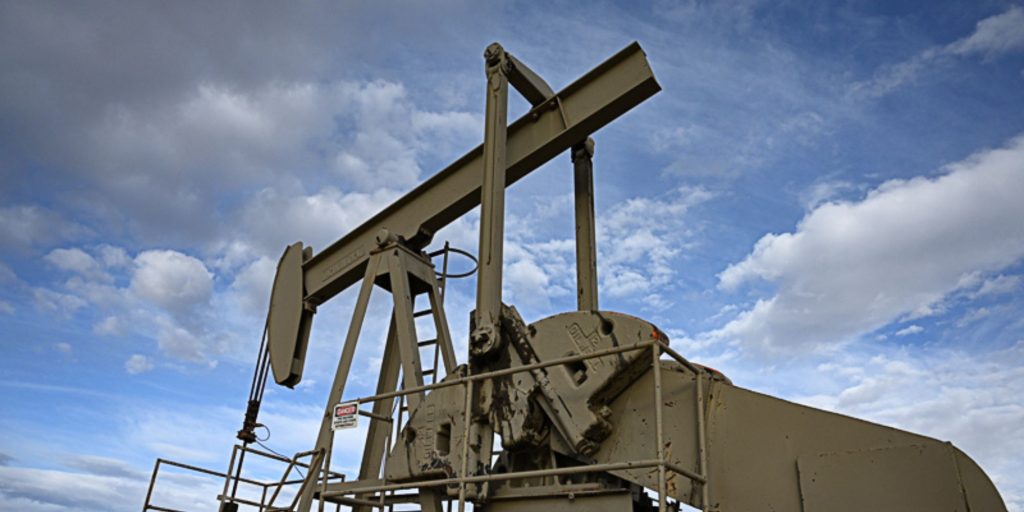
Residents argue that BLM’s revision to the Biden-era oil and gas rule will once again incentivize producers to leave toxic messes.
Members of the Western Organization of Resource Councils condemned a move by the Interior Department to revise the Bureau of Land Management’s 2024 onshore oil and gas rule. The revision, released on June 22, 2026, significantly reduces the statewide bonding requirements, which now revert to what they were before the BLM issued its rule in April 2024—the same rates companies were paying in the 1950s and 60s, and far below the costs of plugging and reclaiming wells today. These rates are also far below what many state agencies charge for oil and gas development on state and private lands.
With this revision to the oil and gas rule, operators will no longer have to post a minimum bond of $500,000 for all their wells in a state; instead, they will pay $25,000. BLM’s own research has found that the cost for decommissioning and plugging a well ranges from $35,000 to $200,000 per well (additional depth and unique topography can greatly increase that cost). Consequently, at least 99.5% of federal wells carry bonds that are not sufficient to cover the cost of reclamation.
“A 1960 dollar is worth $10.95 today, so what companies will now pay in federal bonding is a tiny fraction of what it actually costs to clean up abandoned wells,” says Bob LeResche, former Commissioner of the Alaska Department of Natural Resources and board member of Powder River Basin Resource Council. “Economically rational companies would rather just forfeit their absurdly low bonds and abandon wells rather than pay to plug them and rehabilitate the sites. But somebody has to pay, and that’s going to be American taxpayers.”
“Economically rational companies would rather just forfeit their absurdly low bonds and abandon wells rather than pay to plug them and rehabilitate the sites. But somebody has to pay, and that’s going to be American taxpayers.”
-Bob LeResche
There are currently an estimated 2.6 million unplugged wells across the country leaking methane, benzene, and other toxic substances that sicken people, pollute air and water, and do untold harm to wildlife.
“For decades, contamination from unplugged and orphaned wells has been a source of health problems for people who live on Mandan, Hidatsa and Arikra (MHA) Nation lands,” says Lisa DeVille, member of Dakota Resource Council and citizen of the MHA Nation. “In the last few years, North Dakota, using millions in federal funding from the Bipartisan Infrastructure Law, has been working to plug and reclaim wells throughout the state. But with the rollback of bonding rates, we’re opening the door to even more orphan wells. It makes absolutely no sense.
“I am deeply disappointed that our former governor and current interior secretary, Doug Burgum, approved this rollback,” DeVille said. “His decision suggests a prioritization of oil and gas interests over his responsibility to steward America’s public lands and minerals.”
Keep up to date with grassroots organizing in the West with WORC’s newsletter.
“I live in Jackson County, Colorado, where companies left hundreds of orphaned oil wells on public lands after drilling was done and profits banked,” says Barbara Vasquez, board member of the Western Colorado Alliance and the Western Organization of Resource Councils. “This move to roll back bonding rates to what they were over 60 years ago says the quiet part out loud: the administration has become the handmaiden of the fossil fuel industry, eager to allow oil and gas companies to profit handsomely from publicly-owned minerals without any of the responsibility that comes with it.”
Colorado College’s 2026 Conservation in the West Poll found that 90% of Coloradans, 95% of Wyomingites, and 95% of Montanans support a requirement that oil and gas companies, rather than taxpayers, pay for all of the clean-up and land restoration costs after drilling is finished.
“This decision to reduce bonding requirements stands in diametric opposition to the priorities of Western communities. It reflects a continued disregard for the people who must shoulder the environmental and public‑health consequences,” says Kirk Panasuk, a rancher in northeast Montana and member of Northern Plains Resource Council.
“This decision to reduce bonding requirements stands in diametric opposition to the priorities of Western communities. It reflects a continued disregard for the people who must shoulder the environmental and public‑health consequences.”
-Kirk Panasuk
“For years, I have watched neighbors contend with contaminated water and damaged land caused by poorly regulated industrial activity,” Panasuk adds. “I have personally faced serious health concerns after exposure to fumes from nearby oil and gas wells. Irresponsible policies like this shift the risks and costs onto working people, while corporate executives and the politicians who support them continue to profit and remain insulated from the impacts.”
The revision to the oil and gas rule also drastically shortens the public comment period for leasing decisions, reducing it from 90 to 10 days.
“This move by Interior is another nail in the coffin for the National Environmental Policy Act, and again demonstrates that this administration is intent on shutting out those who will be most directly impacted by leasing decisions from having any real say over how our public lands and minerals are managed,” says Sarah Hunkins, WORC’s Washington D.C. Representative.


Learn more:
Leadership Failure Led to Orphaned Well Crisis – Now it’s Time for Solutions
The Federal Government is Waging War on Our Public Lands
WORC hopes to spur new federal oil and gas bonding rules with petition
Yes, I want to help WORC elevate Western voices and hold decision-makers accountable!