
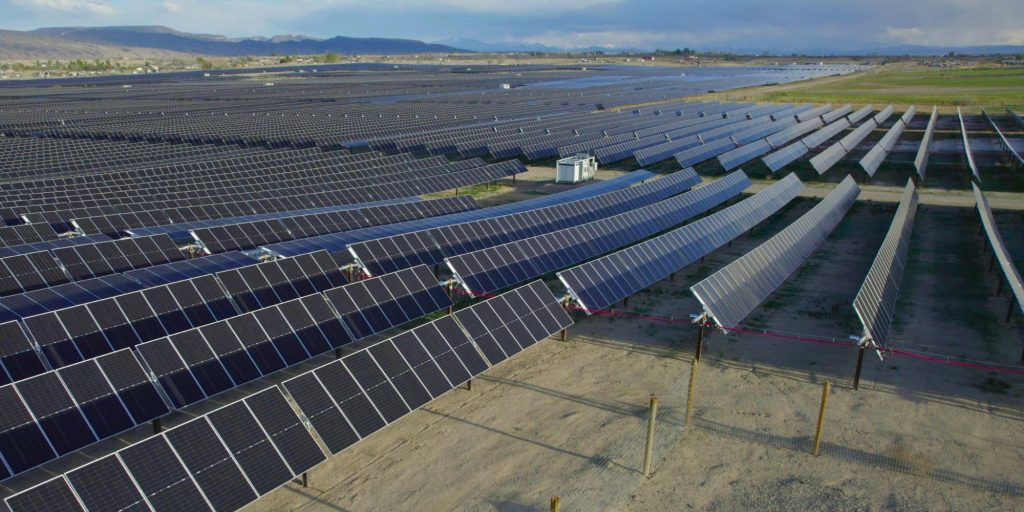
Colorado shows that county zoning codes can build momentum for the renewable energy movement
By Michael Nelson, WORC campaign organizer
When discussing clean energy policy, the spotlight often falls on federal tax credits or state renewable energy targets. Yet across Colorado, consequential decisions about the clean energy transition are being made in county planning offices and public hearings throughout the West.
There is a misguided assumption that clean energy equals “no impact,” and that rural residents are being hyperbolic or obstinate in their opposition. Solar and wind projects are not impact-free. Loss of agricultural production, construction of transmission lines and new roads, and strained emergency services are all valid concerns for residents when a large-scale energy developer comes to their county.
For organizers, local officials, and renewable energy proponents, land-use policy is often one of the most accessible and influential tools for shaping the clean energy transition. Counties control zoning, permitting, setbacks, agricultural protections, and many other development standards. These local rules can either create certainty for communities and developers or create barriers that discourage investment altogether.
Two Colorado examples illustrate how local ordinances can strike this balance and help unlock renewable energy development while addressing concerns about land use, agriculture, and other community impacts.
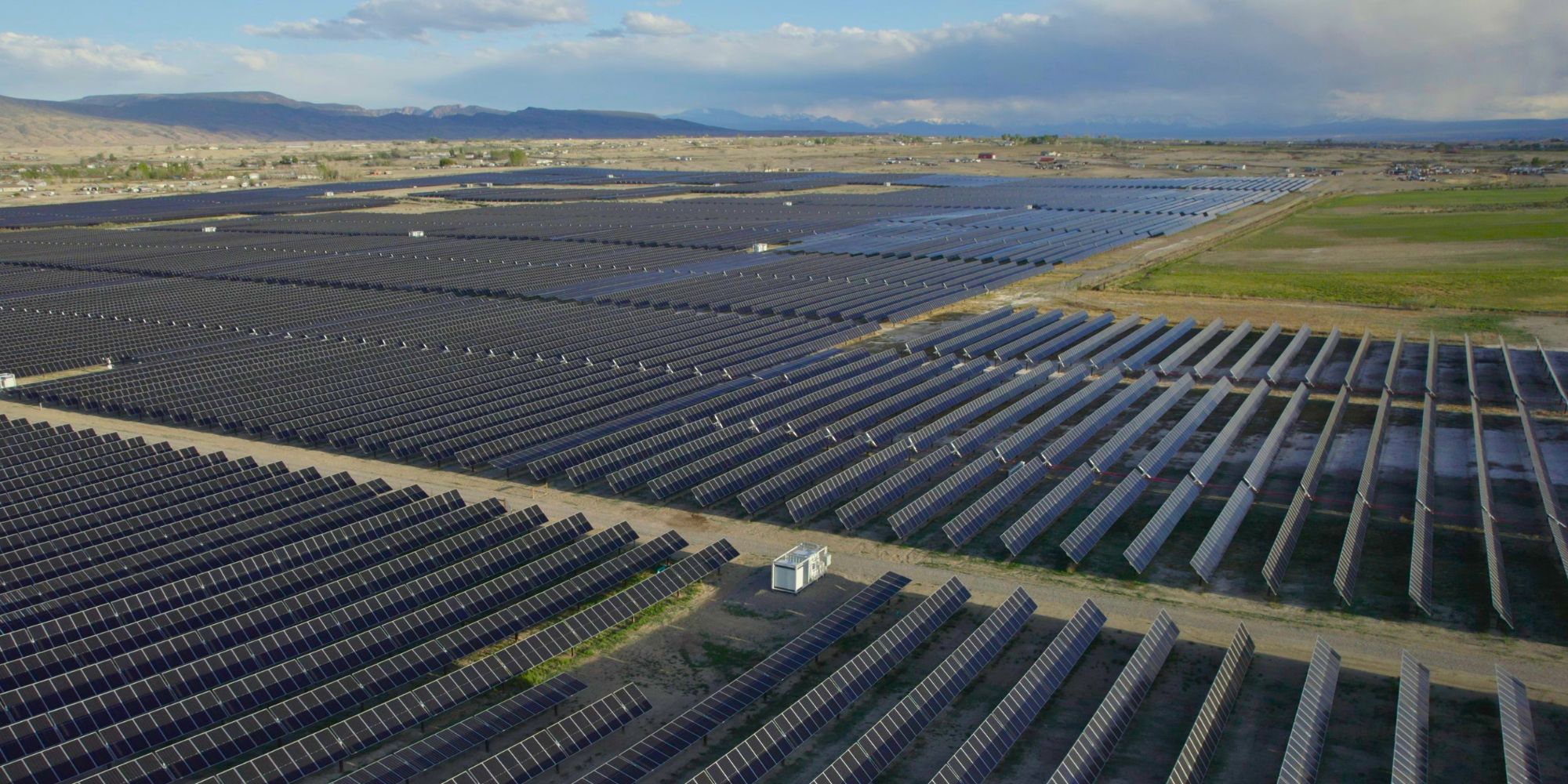
Delta County: Leveraging County Zoning for Utility-Scale Solar
In western Colorado, the Garnet Mesa Solar Project became one of the state’s closely watched examples of renewable energy siting on agricultural land. One of WORC’s member groups, Western Colorado Alliance (the Alliance), along with its member leaders and community organizers, played a pivotal role in securing approval for the installation. While proponents focused on the project’s environmental and economic benefits, a less visible but equally important factor in getting the project approved was Delta County’s land-use code.
The Delta County Commissioners reviewed the project through a limited use permit process under Delta County’s 2021 Land Use Code. Adopted in 2018 after significant public engagement, the code provided a structured pathway for evaluating issues such as irrigation infrastructure, agricultural impacts, neighboring properties, and visual compatibility with the surrounding landscape.
Keep up to date with grassroots organizing in the West with WORC’s newsletter.
Predictability matters to developers and residents alike. Renewable energy developers are more likely to invest when approval criteria are clearly defined. At the same time, communities are more likely to participate constructively when they understand how the county will evaluate projects and what standards projects must meet.
The key policy lesson from Delta County is not that every solar project must be approved. Rather, communities benefit from a transparent permitting framework that identifies where renewable energy projects are appropriate and how developers are expected to address their impacts. For organizers working in other rural communities, advocating for clear renewable-energy standards during routine reviews of county zoning codes can create opportunities for future projects and build momentum for the renewable energy movement before a major proposal arrives.
Mesa County: Turning Project Controversy Into Solar Standards
In 2023, Mesa County faced significant controversy over the proposed Orchard Mesa Solar project near Palisade. The project drew opposition from nearby residents over concerns about loss of agricultural land, marred viewsheds, safety, and impacts on the character of the area. The county commissioners ultimately approved the project, but the controversy exposed broader questions about how Mesa County should regulate commercial solar development.
In response, commissioners imposed a temporary moratorium on new commercial solar applications in January 2024 while county staff evaluated the existing regulatory framework and gathered community input. The county ultimately adopted solar-specific amendments to its Land Development Code in April 2024, establishing clearer standards for future projects.
For organizers, local officials, and renewable energy proponents, land-use policy is often one of the most accessible and influential tools for shaping the clean energy transition.
The process also created an opportunity for organizers to shape those regulations. The Alliance was actively involved throughout the four-month moratorium and code revision process, organizing members to participate in planning commission workshops and county commissioner hearings and submitting written comments. The Alliance advocated for regulations that addressed legitimate community concerns without making solar development economically infeasible, including pushing back on burdensome interconnection and speculative bonding requirements. It also successfully advocated for agrivoltaics, helping ensure that combining agricultural production with solar generation would be protected and encouraged under the new code.
Mesa County demonstrates how a controversial project can become an opportunity for broader policy change. Organizers do not need to wait for controversy to emerge, but when it does, they can use the attention a project generates to address the underlying policy questions. Rather than allowing debates over agricultural protection, viewsheds, safety, or other impacts to remain tied to a single project’s approval, organizers can translate those concerns into clear, consistent standards that apply to future proposals. A project conflict can become a policy window.
Lessons Learned
Taken together, Delta and Mesa counties demonstrate two pathways for shaping local policy around utility-scale solar. The preferred strategy is proactive. Organizers should engage in county zoning and land-use code reviews before major projects are proposed, as Delta County demonstrates. Routine code reviews may seem technical, even daunting. Still, they provide an opportunity to establish predictable pathways for renewable energy while giving communities a voice in determining how issues such as agricultural impacts, irrigation, setbacks, visual compatibility, and neighboring properties should be addressed.
But organizers should also be prepared to recognize and leverage a policy window when one emerges. Mesa County demonstrates that a controversial project can create an opening for broader reform. The goal is not to manufacture controversy or remain locked into a single project fight. Instead, when a project generates significant public attention, organizers can help move the conversation from “Should this project be approved?” to “What standards does our community have for developers?”
When a project generates significant public attention, organizers can help move the conversation from “Should this project be approved?” to “What standards does our community have for developers?”
For funders, these stories point to the value of investing in local long-term organizing capacity, not just individual project campaigns. Participation in zoning-code reviews requires sustained relationships, technical knowledge, member engagement, and the ability to participate in lengthy public processes. Those same capacities allow organizations to respond quickly when an unexpected project creates an opportunity for policy change. Investments in technical assistance, model ordinances, local leadership development, and organizing can therefore have effects that extend well beyond a single project.
The broader lesson is that local land-use policy is a long-term renewable-energy strategy. Effective organizing does not require choosing between community concerns and renewable-energy development. Instead, organizers can help communities establish clear rules for where and how renewable energy can be built, while ensuring that those rules remain workable for developers. Done well, this approach can replace repeated project-by-project fights with durable pathways for renewable energy development.
Looking Ahead
As Colorado continues to expand renewable energy generation, local governments across the West will remain on the front lines of the renewable energy buildout. The counties that succeed will likely be those that provide clear rules, predictable processes, and thoughtful protections for the communities and landscapes they serve. For organizers and funders, the opportunity is to help build those systems before they are needed—and to recognize when the politics surrounding an individual project create an opening to strengthen them.


Learn more:
Incentivizing Clean Energy with a Community Benefit Agreement

Yes, I want to help WORC elevate Western voices and hold decision-makers accountable!